
About The International Monetary Fund
Founded in 1944 at the Bretton Woods Conference, the IMF has evolved beyond its original mission to include significant educational and capacity development initiatives. Through its various training programs and educational partnerships, the IMF works to build capacity in member countries by providing technical assistance and training to government officials, focusing on economic and financial management
190
Member countries
80
Years of operation
52
Countries served through Macroeconomist Training Program
Accreditations and Rankings
190
Member countries
80
Years of operation
52
Countries served through Macroeconomist Training Program
Accreditations and Rankings
The International Monetary Fund Highlights
Career Outcomes and Placement Information
The IMF's educational initiatives focus on developing professional capabilities in economic and financial management. Through programs like JISPA, participants receive comprehensive support including full tuition coverage, living expenses, and professional development opportunities. The organization provides ongoing career development through alumni networks, continuing education programs, and professional connections within the global financial community. JISPA graduates, for example, often play key roles in policymaking in their home countries, demonstrating the program's effectiveness in career development
1,000+
JISPA alumni in policy roles
190
Countries impacted through training
Faculties
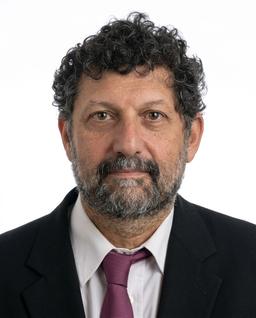
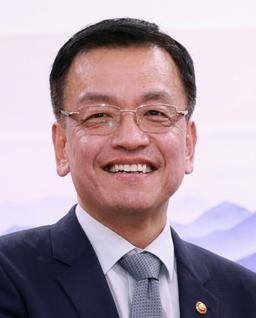
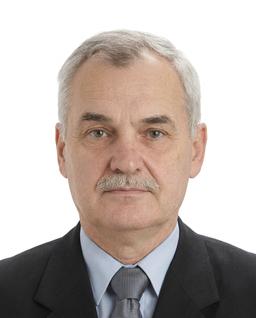
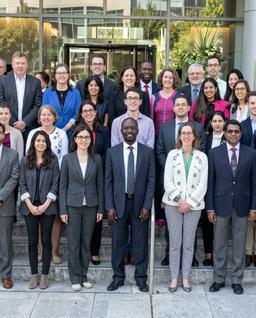
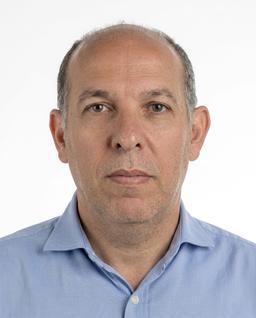
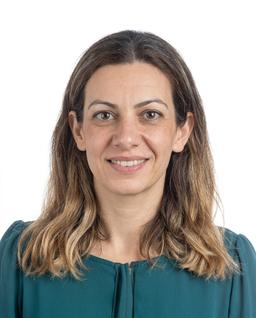
These are the expert instructors who will be teaching you throughout the course. With a wealth of knowledge and real-world experience, they're here to guide, inspire, and support you every step of the way. Get to know the people who will help you reach your learning goals and make the most of your journey.


4
Courses
5
Courses
1
Course
1
Course
1
Course

1
Course

1
Course

1
Course

2
Courses

1
Course
1
Course

1
Course

4
Courses

1
Course

1
Course

1
Course

1
Course
1
Course

1
Course

1
Course