Founded in 2014, SDG Academy is the education and training division of the UN Sustainable Development Solutions Network (SDSN). The Academy creates and curates graduate-level educational content focused on sustainable development and the UN Sustainable Development Goals (SDGs). Operating under the auspices of the United Nations, it serves as a global platform for transformative education, offering free courses and resources to learners worldwide
10
Years of operation
193+
Territories served
40+
MOOCs offered
United Nations SDSN
edX Partnership
World Bank Partnership
While SDG Academy is not a traditional university with career services, it plays a crucial role in professional development for those working in or aspiring to work in sustainable development fields. The Academy's courses provide essential knowledge and skills required for careers in international development, environmental sustainability, and related sectors. Through its interactive learning platform, learners can engage with global experts and peers, building valuable professional networks. The Academy's partnership with leading institutions and organizations creates pathways for professional advancement in sustainable development careers. Their comprehensive curriculum, which includes practical assignments and peer-reviewed work, helps develop real-world skills needed for implementing sustainable development solutions
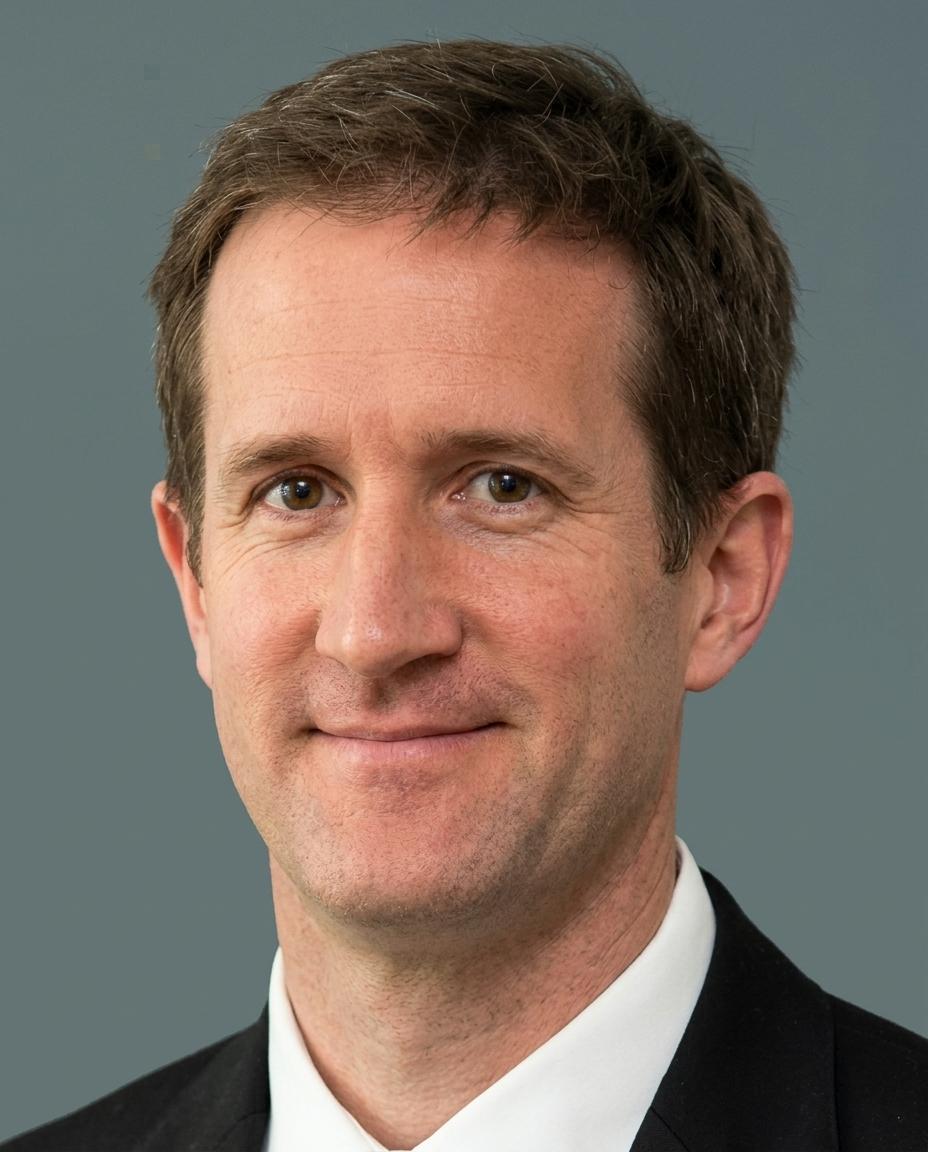
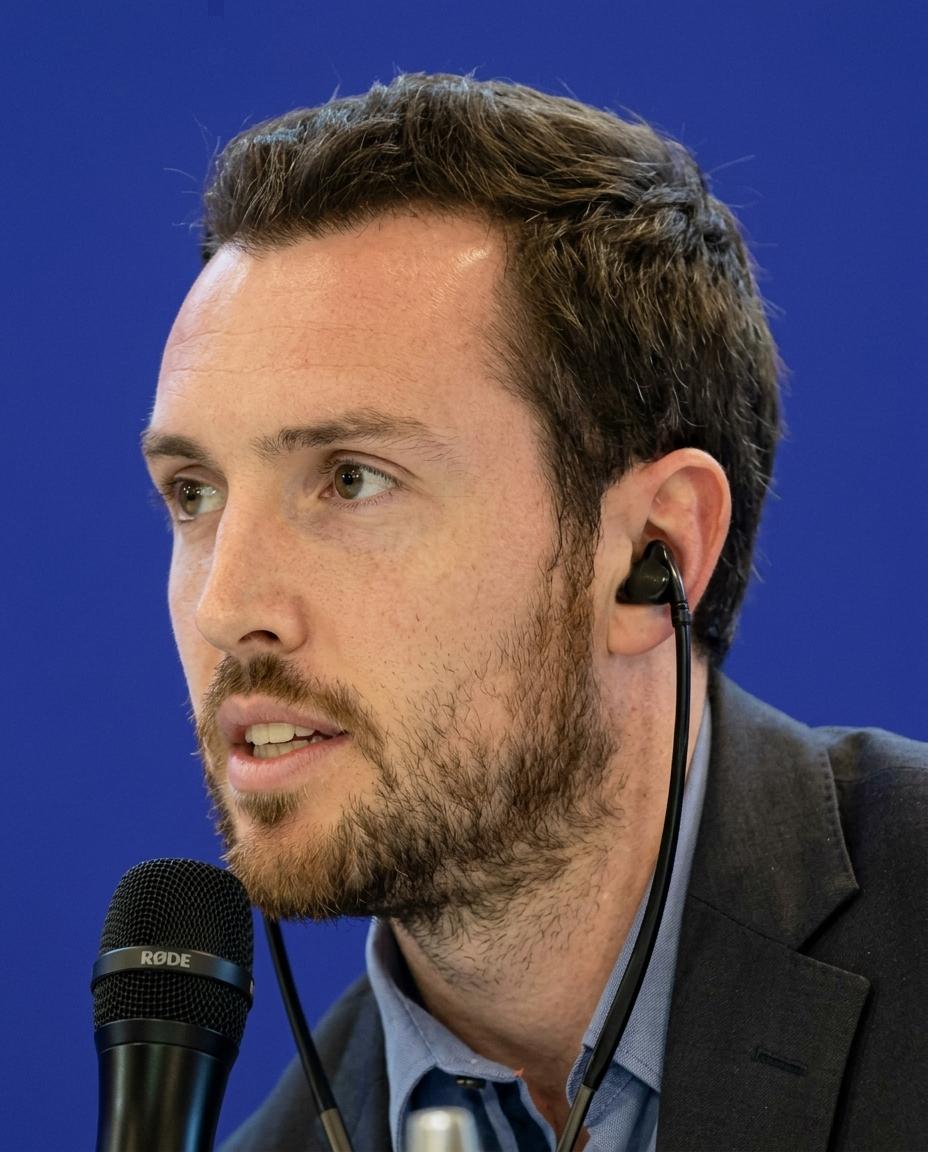
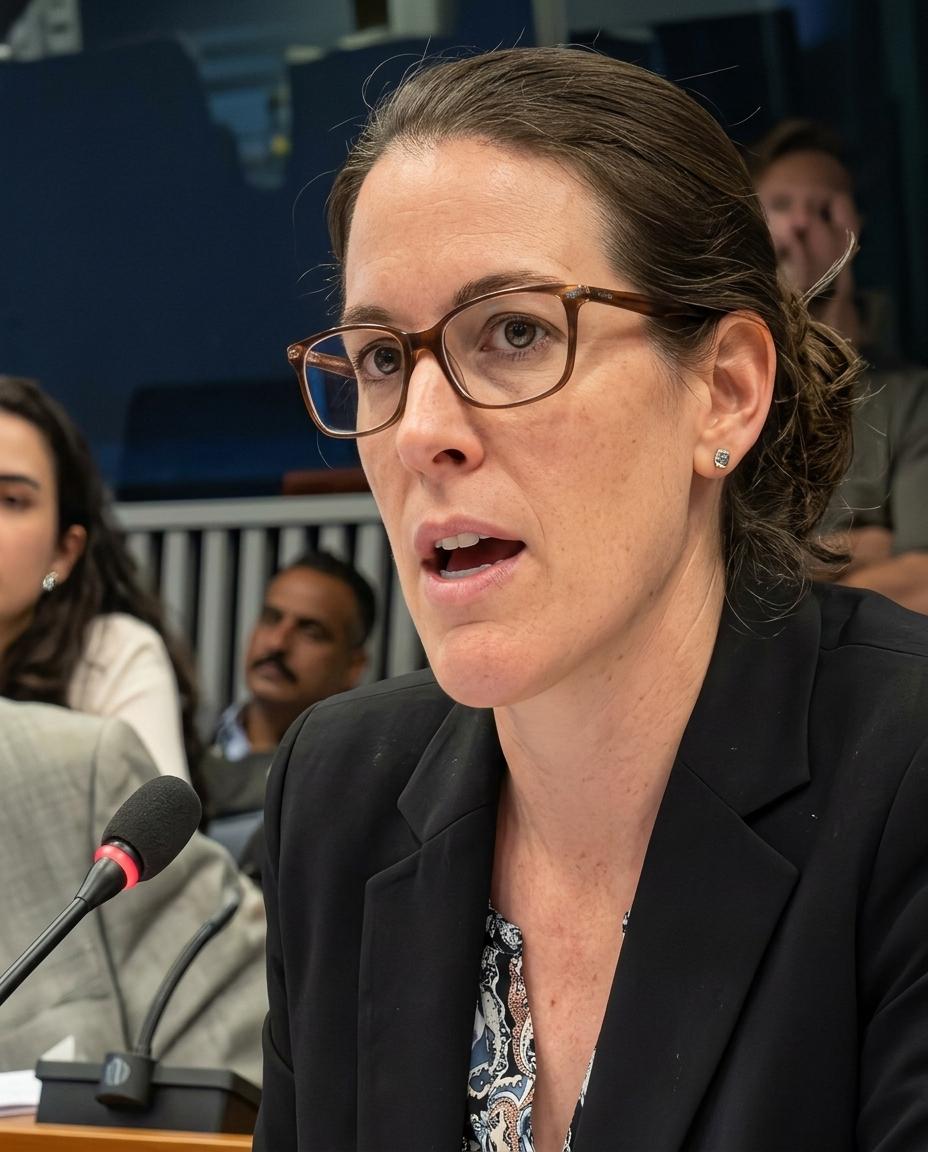
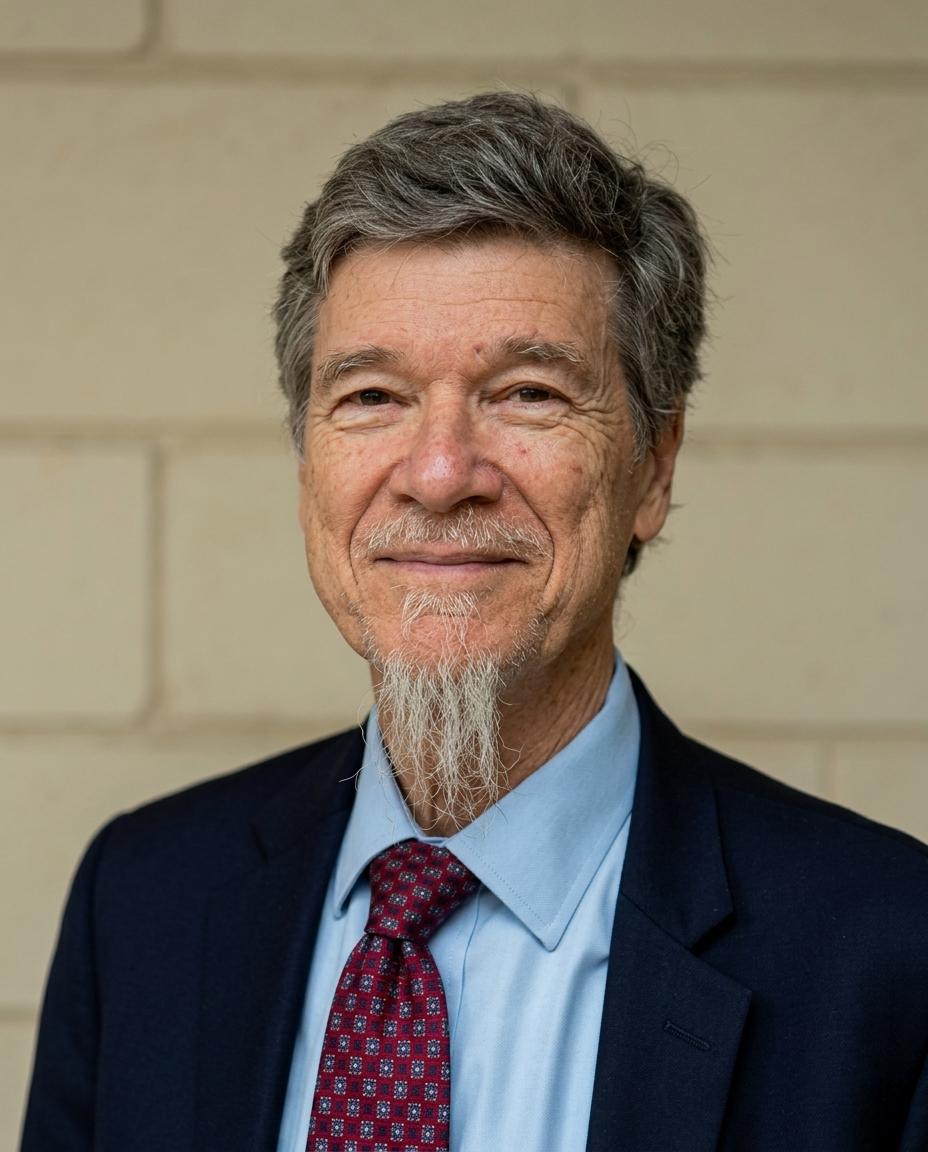
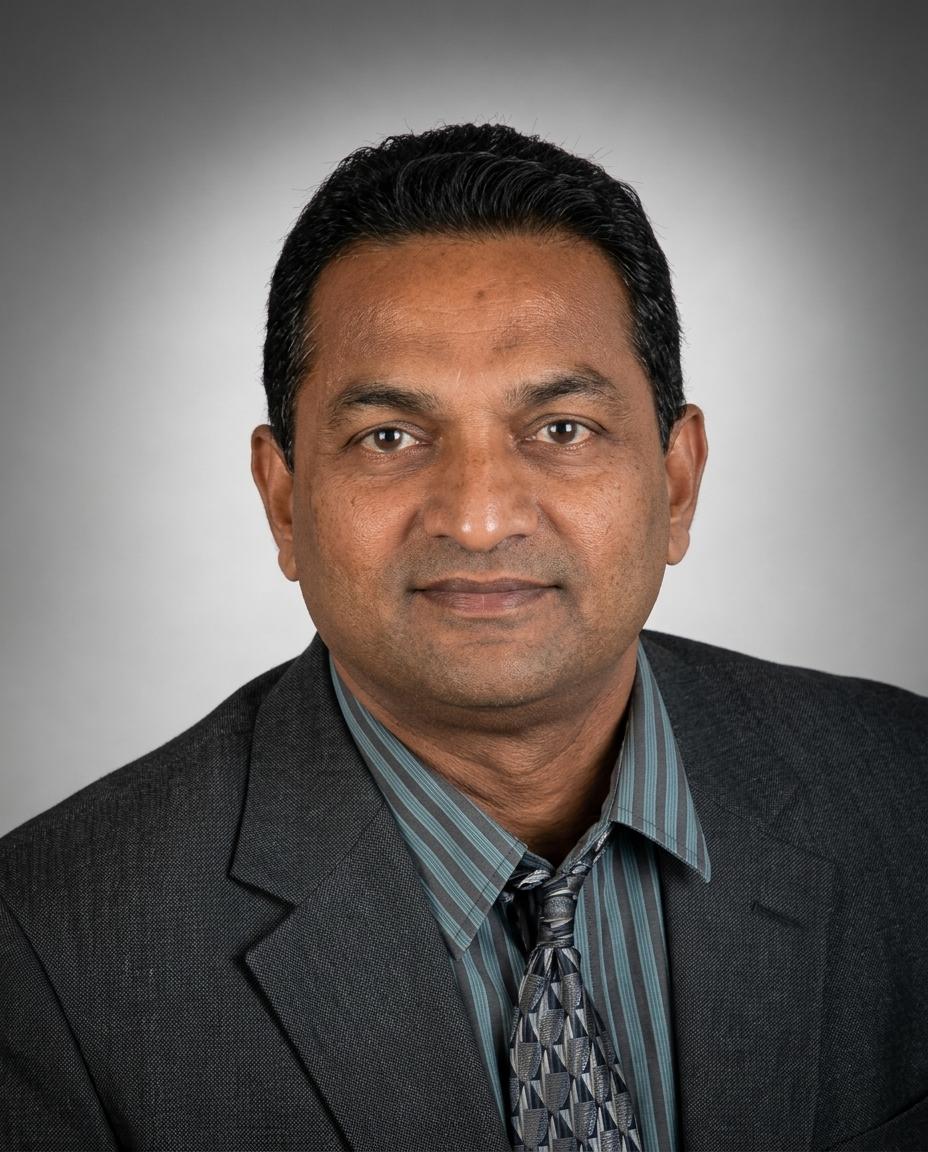
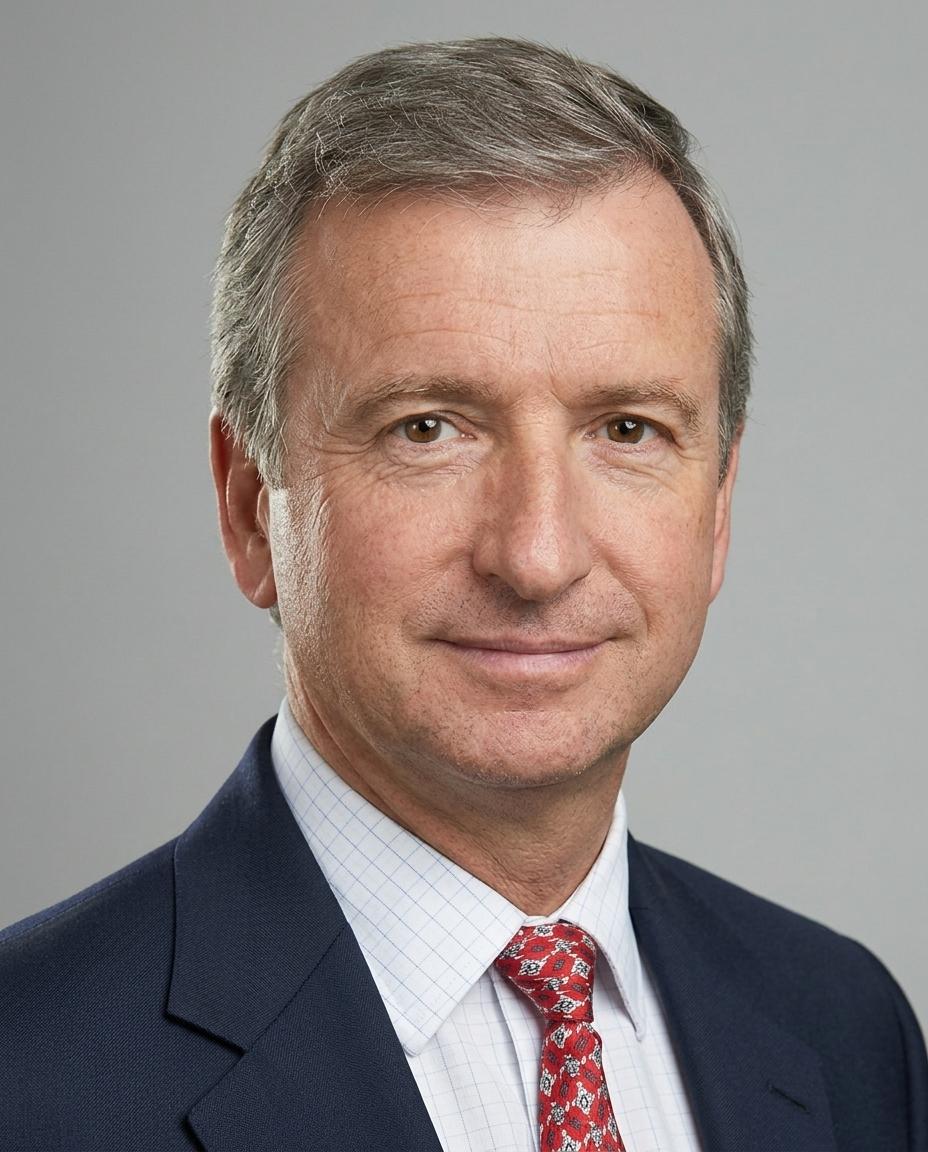
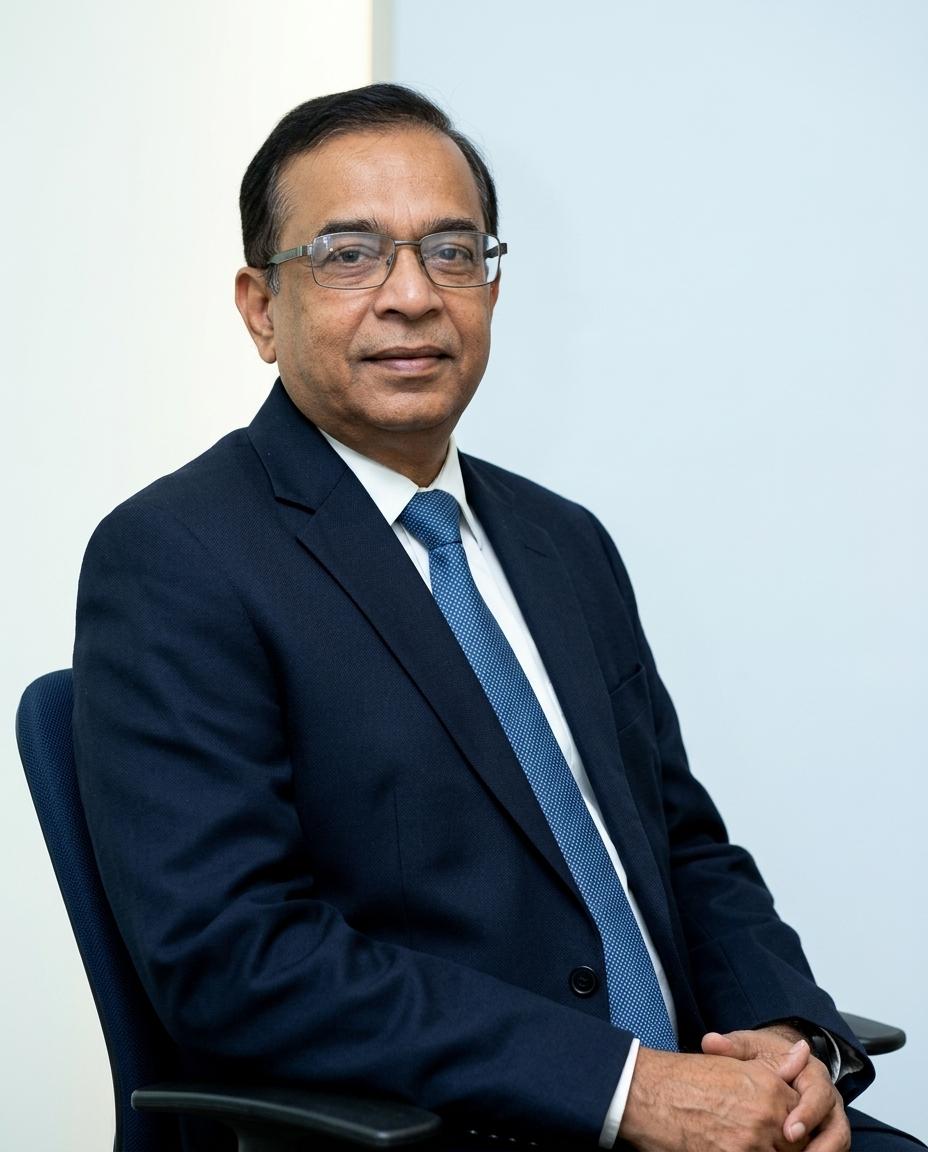
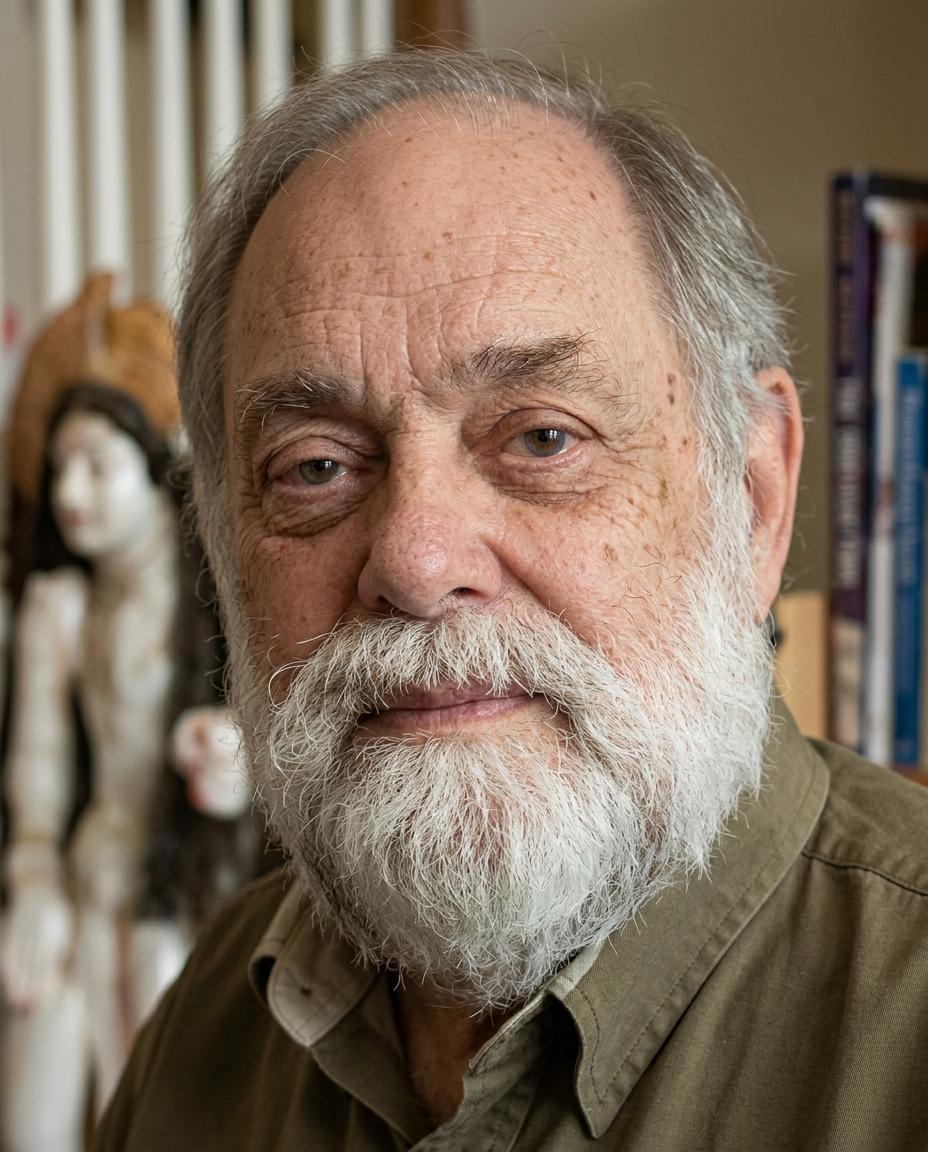
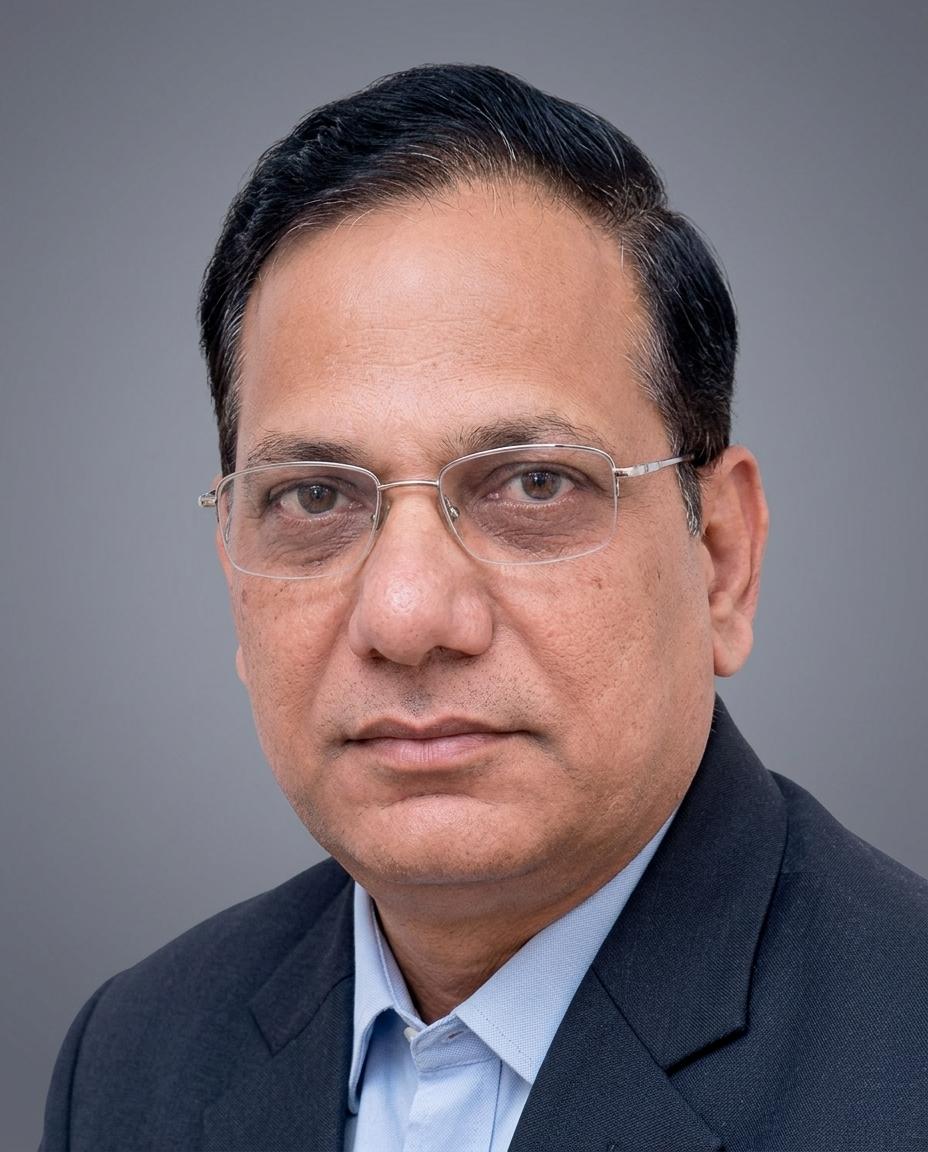
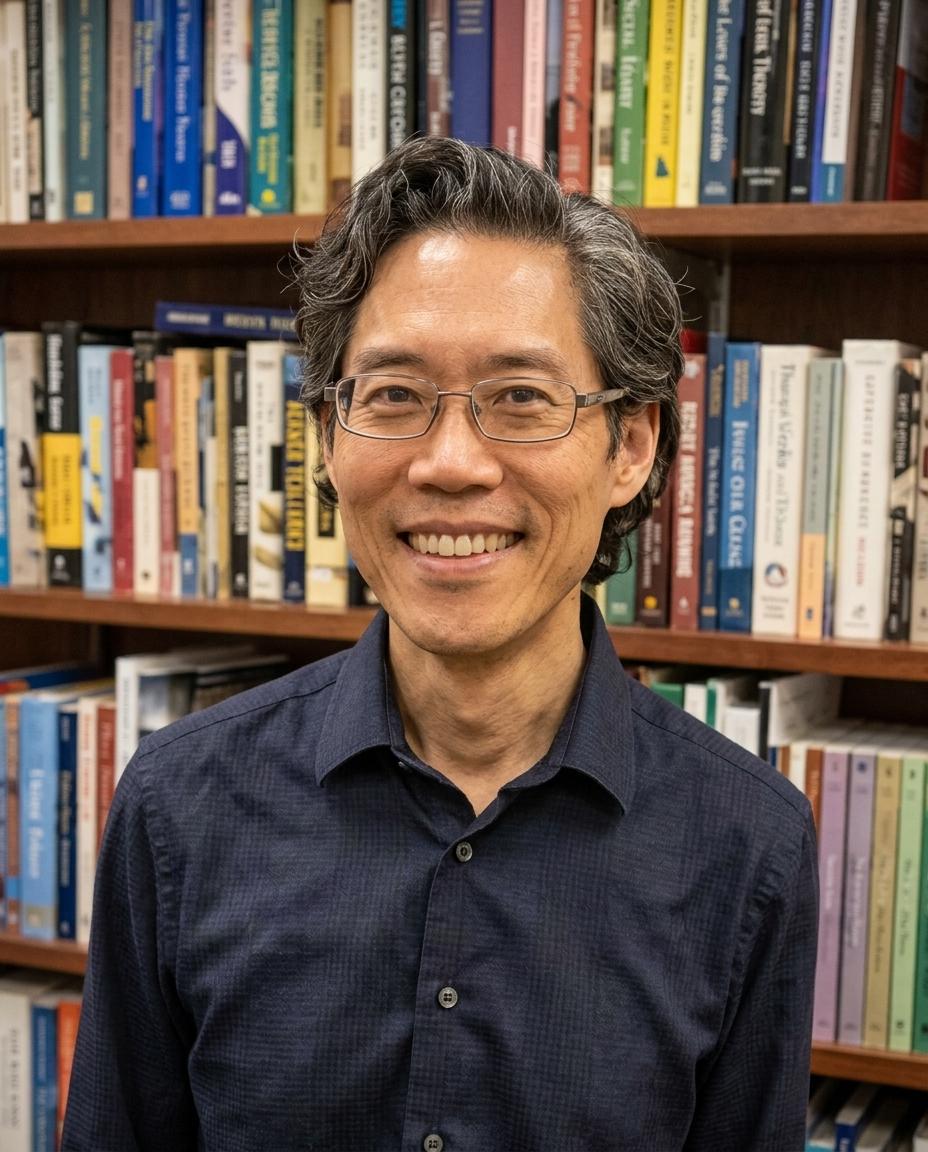
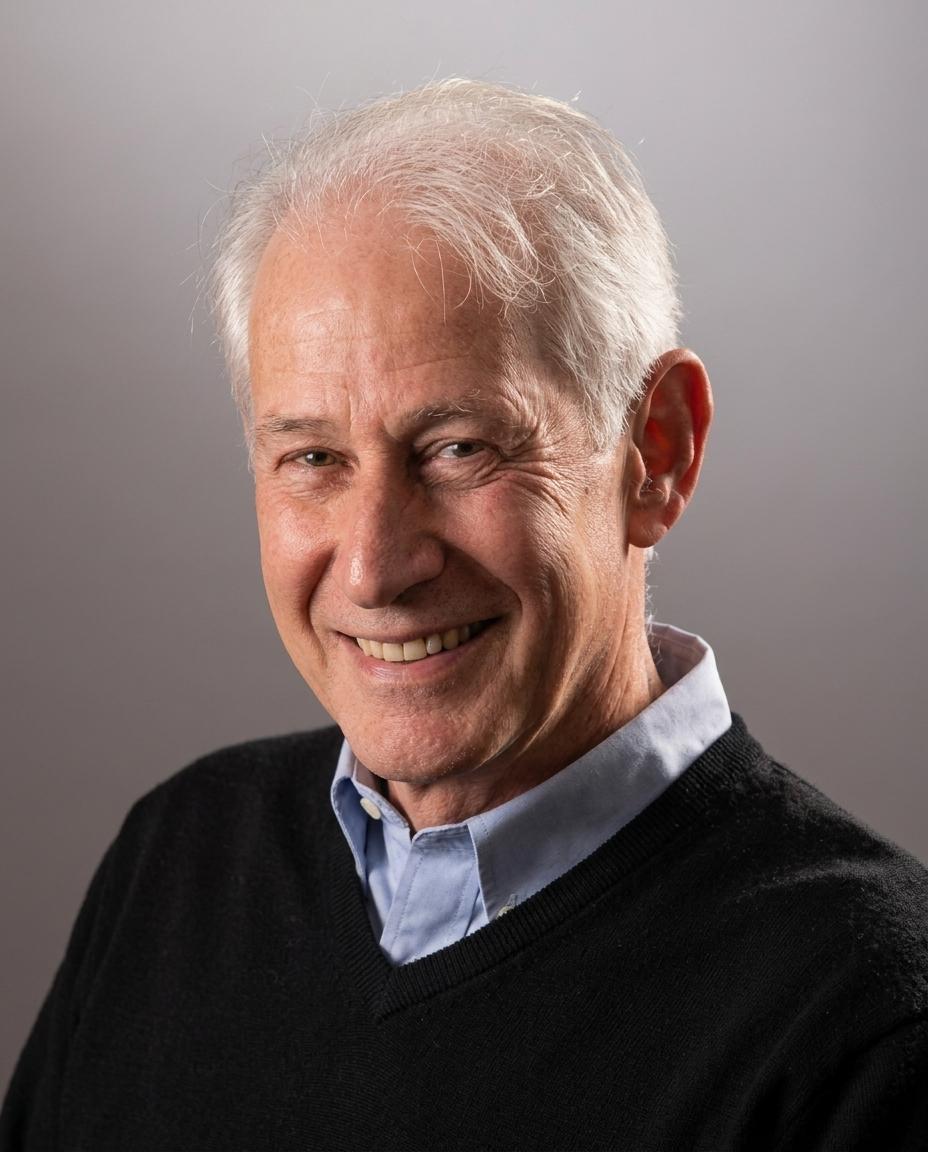
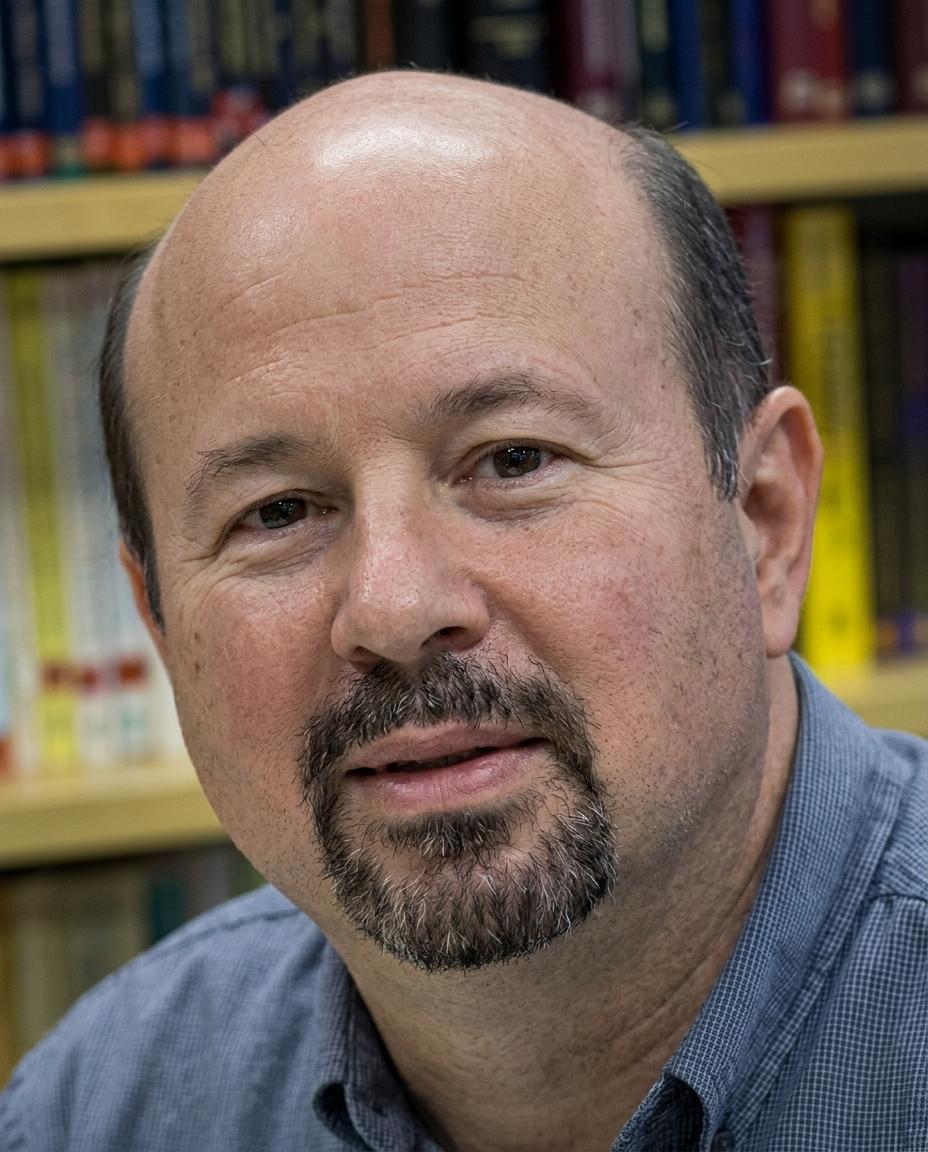
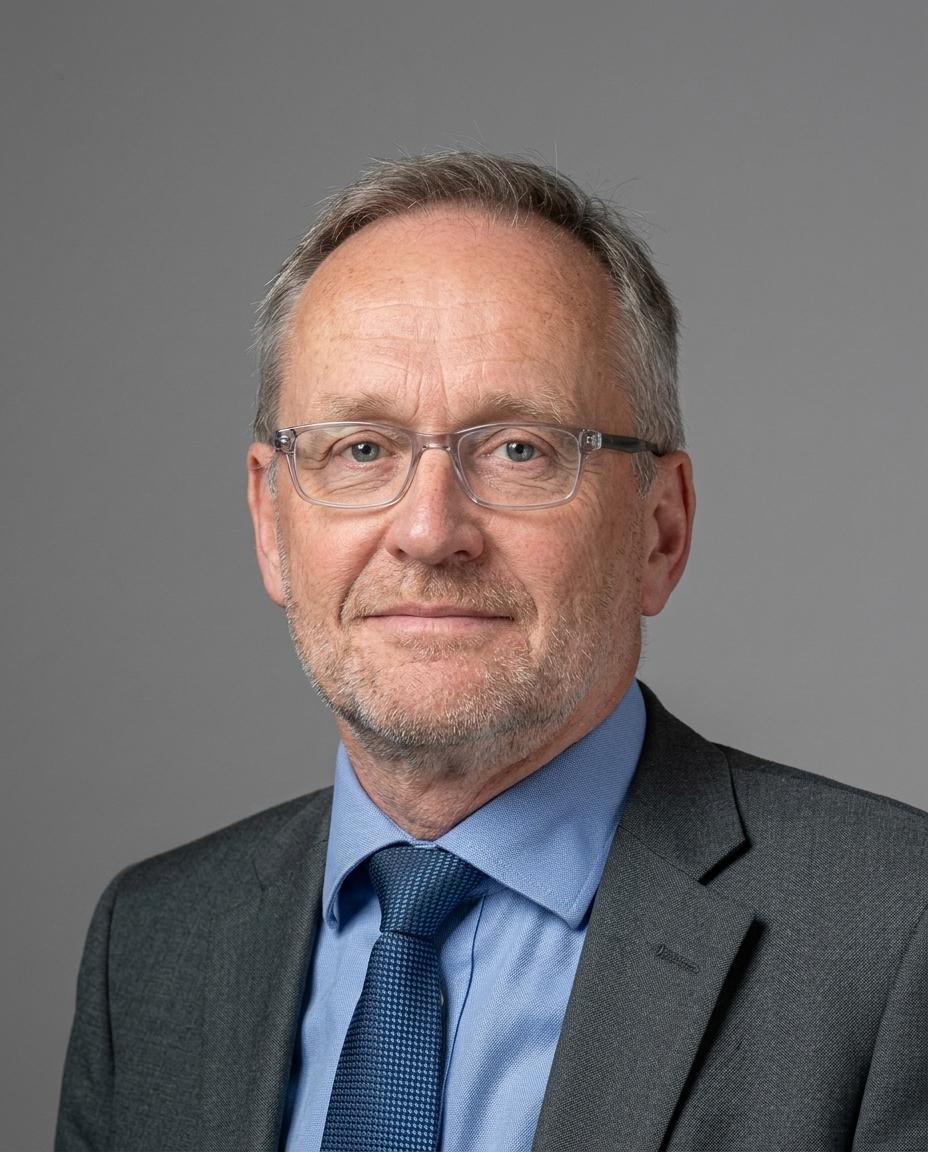
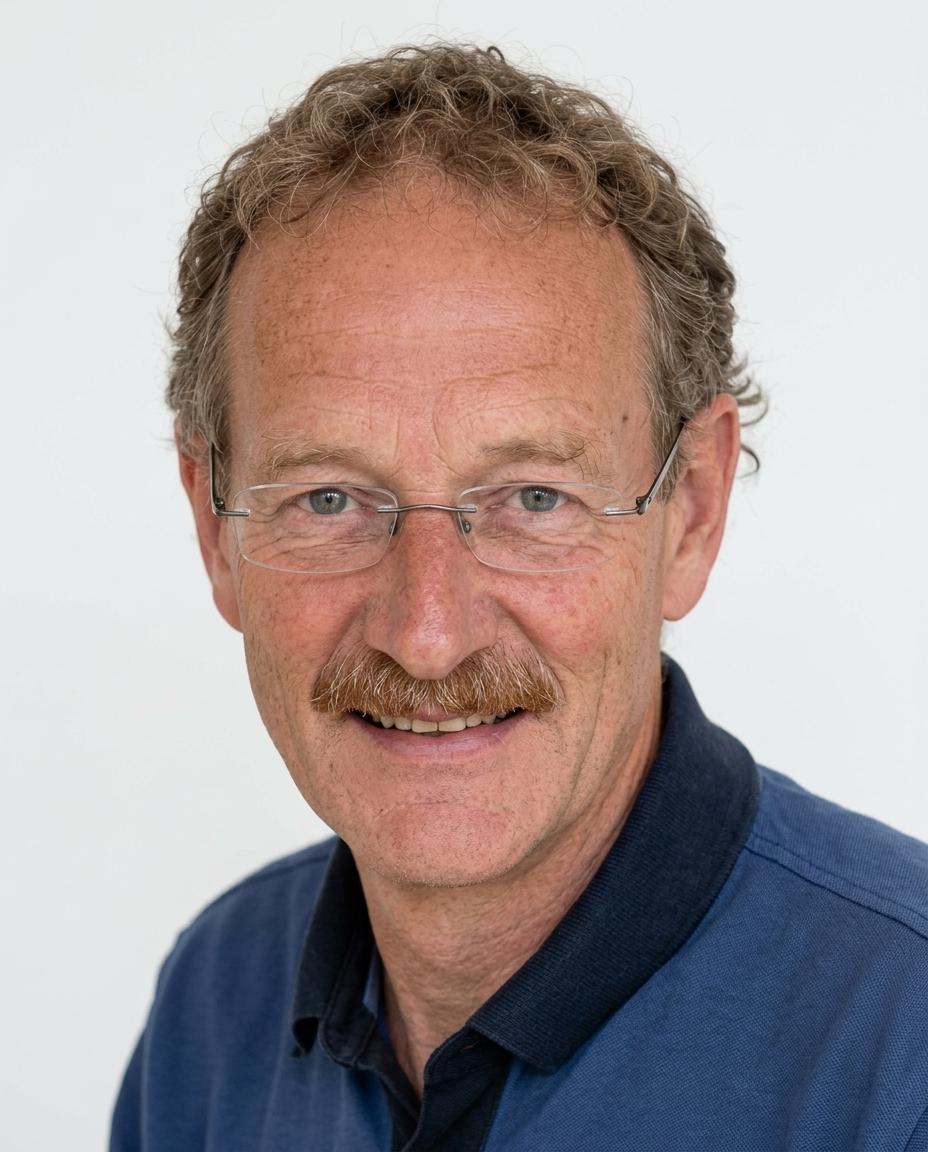
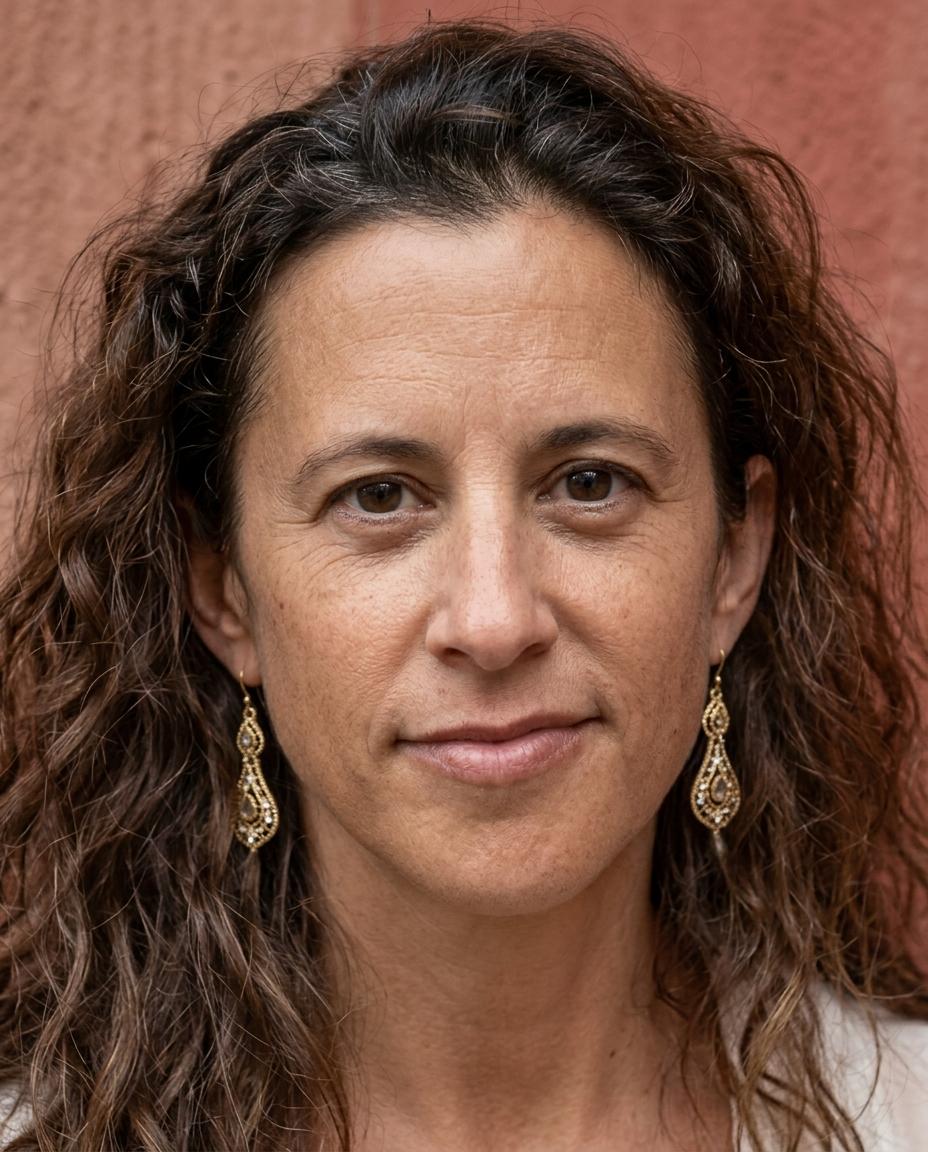
These are the expert instructors who will be teaching you throughout the course. With a wealth of knowledge and real-world experience, they’re here to guide, inspire, and support you every step of the way. Get to know the people who will help you reach your learning goals and make the most of your journey.
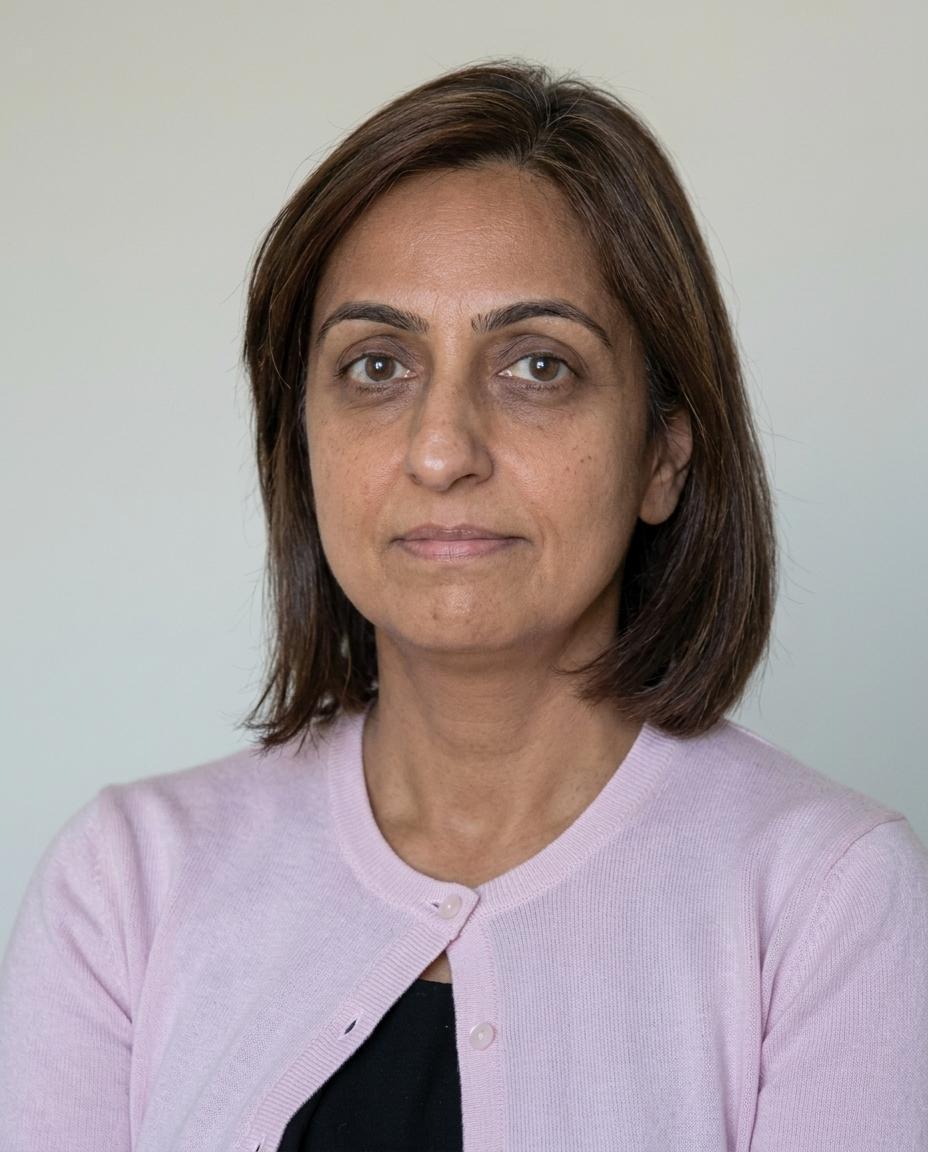
Harvard Global Health Expert Champions Early Childhood Development in Low-Resource Settings
Dr. Aisha Yousafzai has established herself as a leading authority in global early childhood development, particularly focusing on implementing and scaling interventions in low- and middle-income countries. As an Associate Professor of Global Health at Harvard T.H. Chan School of Public Health, she has pioneered the integration of early childhood interventions into existing health services, with the Pakistan Early Child Development Scale-Up (PEDS) trial standing as one of her most significant contributions. This groundbreaking study evaluated the impact of responsive stimulation and nutrition interventions on child development and growth outcomes. Her extensive research experience spans South Asia, East Africa, and Central and Eastern Europe, where she has consistently demonstrated the effectiveness of early childhood interventions in resource-limited settings. Beyond her academic work, Yousafzai shapes global policy through her role as co-Chair for the Intervention Taskforce of the Early Childhood Development Action Network (ECDAN) and as an advisor on Home Visiting for UNICEF's CEECIS regional office. Her research findings, published in prestigious journals such as the Lancet and Pediatrics, continue to influence the development and implementation of early childhood programs worldwide, particularly in areas where resources are scarce but the need for intervention is critical.

1 Course
Earth System Science Pioneer
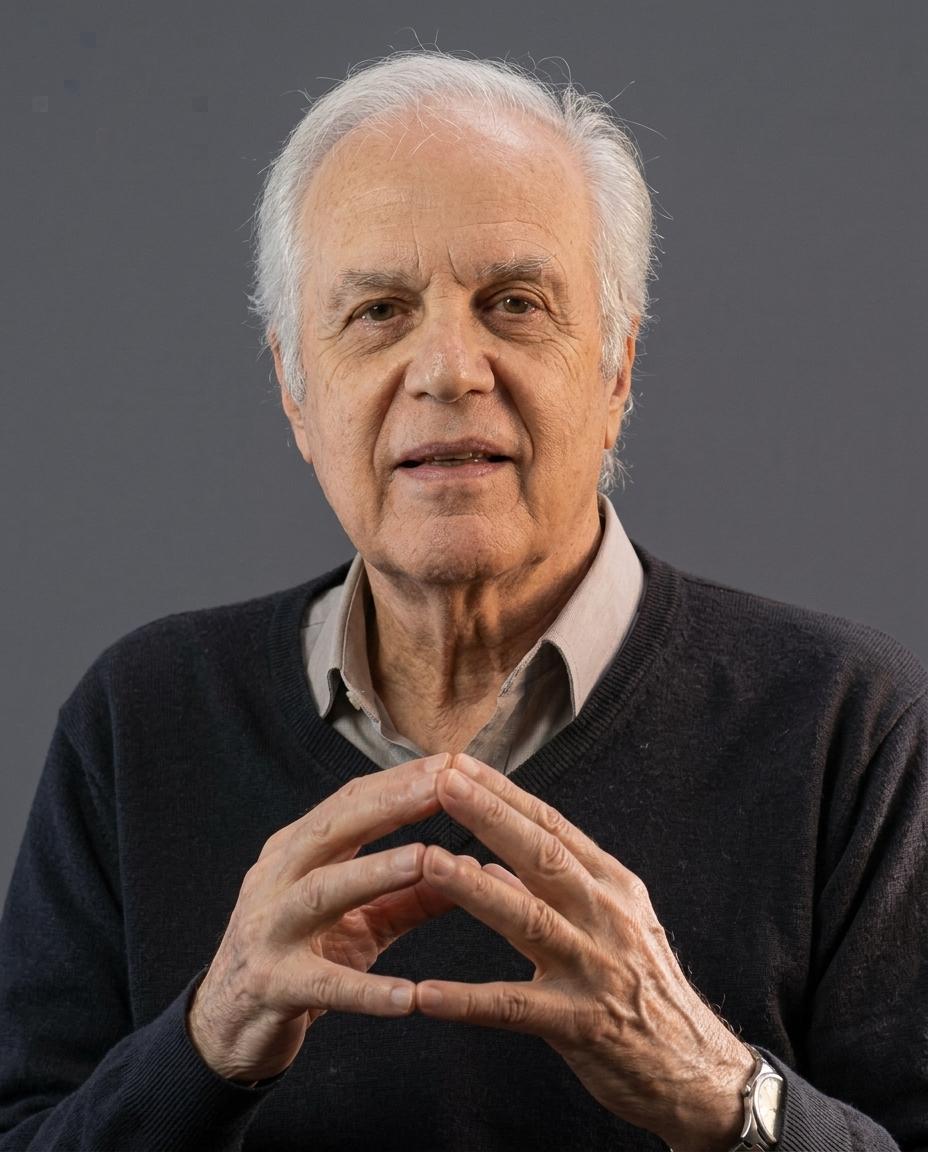
Carlos Nobre stands as a prominent Brazilian Earth System scientist whose groundbreaking research has focused on the Amazon rainforest and its critical role in global climate systems. His academic journey began with an Electronics Engineering degree from the Instituto Tecnológico de Aeronáutica, followed by a Ph.D. in Meteorology from MIT. Throughout his distinguished career, he has held several prestigious positions, including chairing the Large-Scale Biosphere-Atmosphere Experiment in Amazonia and serving as a member of the Intergovernmental Panel on Climate Change. His public service includes roles as National Secretary for Research and Development Policies at Brazil's Ministry of Science, Technology & Innovation and President of Brazil's Agency for Post-Graduate Education. His scientific excellence has been recognized through memberships in elite institutions such as the US National Academy of Sciences, the Royal Society, the Brazilian Academy of Sciences, and the World Academy of Sciences. Currently serving as Co-Chair of the Science Panel for the Amazon, Nobre continues his research at the University of São Paulo's Institute for Advanced Studies, where he focuses on understanding the Amazon's impact on Earth systems and promoting sustainable forest bioeconomy through initiatives like the Amazonia 4.0 project. His pioneering work in 1988 was instrumental in understanding deforestation's effects on climate and predicting potential Amazon rainforest transformation, cementing his position as a leading voice in climate science and environmental conservation.