
About Rochester Institute of Technology
Founded in 1829 as the Rochester Athenaeum, RIT is a private research university located in Rochester, New York. Through a merger with the Mechanics Institute in 1891, it evolved into a comprehensive institution known for its emphasis on technology, arts, and innovation. The university operates on a 1,300-acre campus and has global campuses in China, Croatia, Dubai, and Kosovo. RIT is particularly renowned for its cooperative education program, strong STEM focus, and innovative approach to combining technology with creativity
19,000+
Total enrollment
14,076
Undergraduate enrollment
2,400
International students
Accreditations and Rankings

19,000+
Total enrollment
14,076
Undergraduate enrollment
2,400
International students
Accreditations and Rankings
Rochester Institute of Technology Highlights
Career Outcomes and Placement Information
RIT provides comprehensive career services through its Office of Career Services and Cooperative Education. The office offers extensive support including Career Connect platform, networking opportunities through alumni networks and LinkedIn, and resume building and interview preparation guidance. The university organizes multiple specialized career fairs throughout the year, connecting students with employers ranging from Fortune 500 companies to startups. RIT's cooperative education program, which provides full-time, paid work experiences, is a cornerstone of its career development approach. The university maintains strong relationships with over 3,400 industry partners, creating valuable opportunities for internships and full-time employment
93.15%
Overall outcome rate
83.92%
Knowledge rate
$102,770
Highest salary after graduation
365+
Career fair participation(students)
Faculties
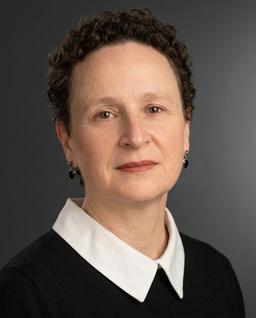
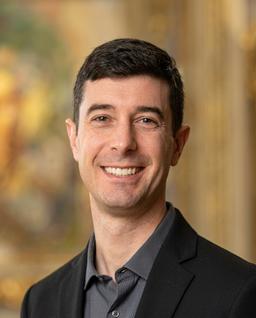
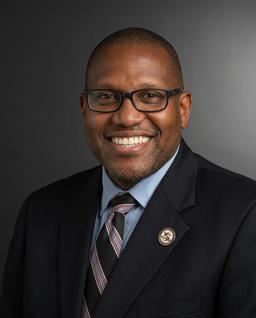
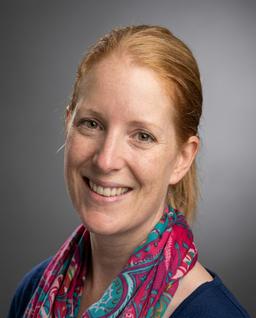
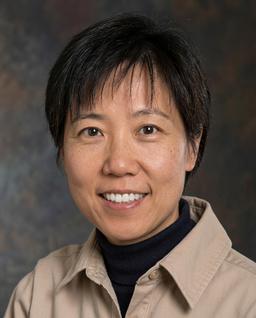
These are the expert instructors who will be teaching you throughout the course. With a wealth of knowledge and real-world experience, they're here to guide, inspire, and support you every step of the way. Get to know the people who will help you reach your learning goals and make the most of your journey.


5
Courses

6
Courses

4
Courses
4
Courses

5
Courses

6
Courses

1
Course

5
Courses
2
Courses

4
Courses

4
Courses

4
Courses
4
Courses
4
Courses

4
Courses

2
Courses
1
Course