Founded in 1869, Purdue University is a prestigious public land-grant research university located in West Lafayette, Indiana. As the flagship campus of the Purdue University system, it has evolved into one of America's most respected public research universities. Known for its strong STEM programs, particularly in engineering and technology, Purdue serves over 105,000 students across all modalities, with nearly 50,000 attending the main campus. The university is classified among "R1: Doctoral Universities – Very high research activity" and is a member of the Association of American Universities.
89
QS World Ranking
105,000+
Total enrollment
50,000
On-campus enrollment
Association of American Universities
Land-grant University Status
CHIPS and Science Act National Hubs Partner
Purdue provides comprehensive career services through multiple channels, including the Center for Career Opportunities (CCO) and Pre-Professional Advising (PPA). The university offers extensive career development support through one-on-one counseling, career exploration assistance, and job search preparation. Services include resume reviews, mock interviews, career fairs, and networking events. The CCO maintains strong relationships with employers and organizes regular recruitment events. Students have access to various resources including myCCO platform, VMock for resume feedback, and Big Interview for interview practice. The career services team also provides specialized support for graduate students and maintains strong connections with industry partners
#1
Best Place for Career Opportunities
#18
Best Career Placement Among Public Schools
#36
Most Employable University Graduates
90%+
Graduate employment rate
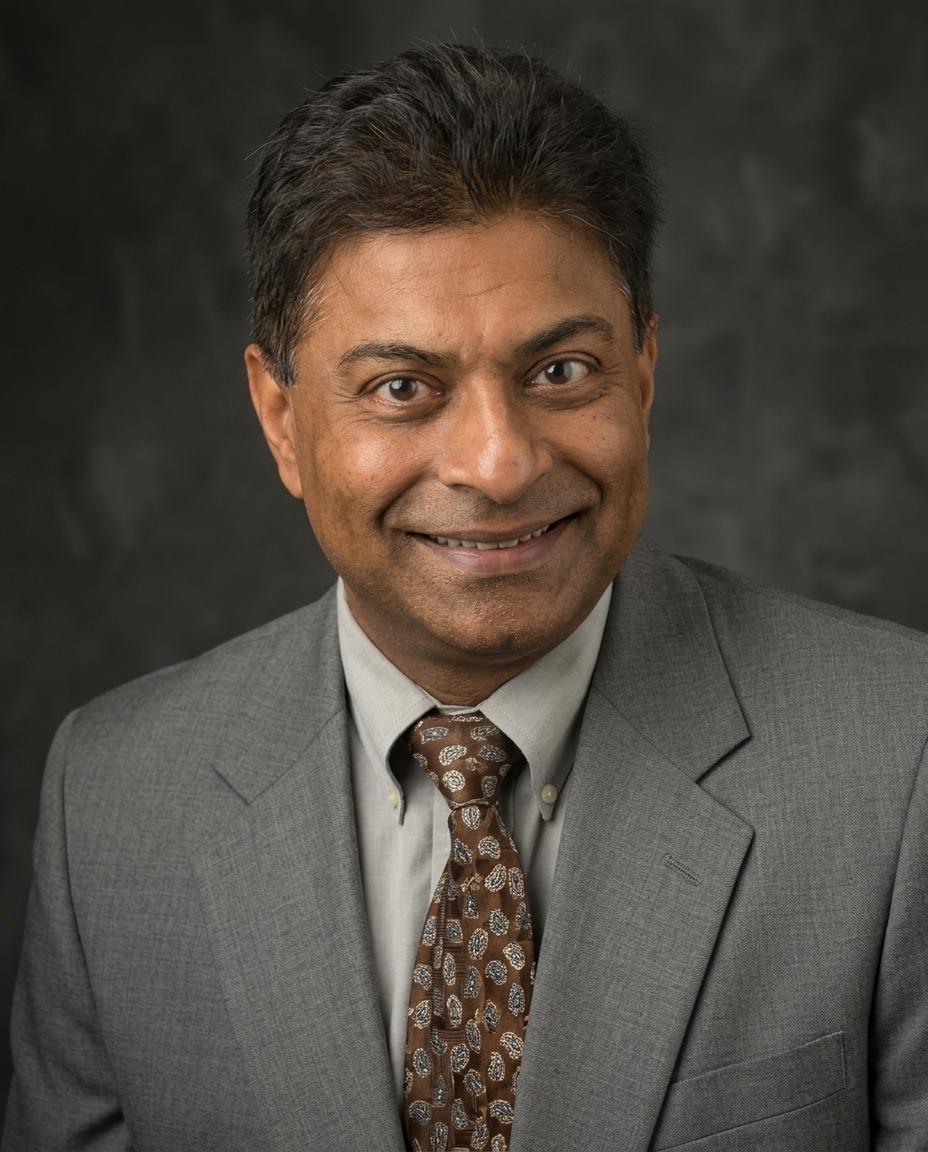
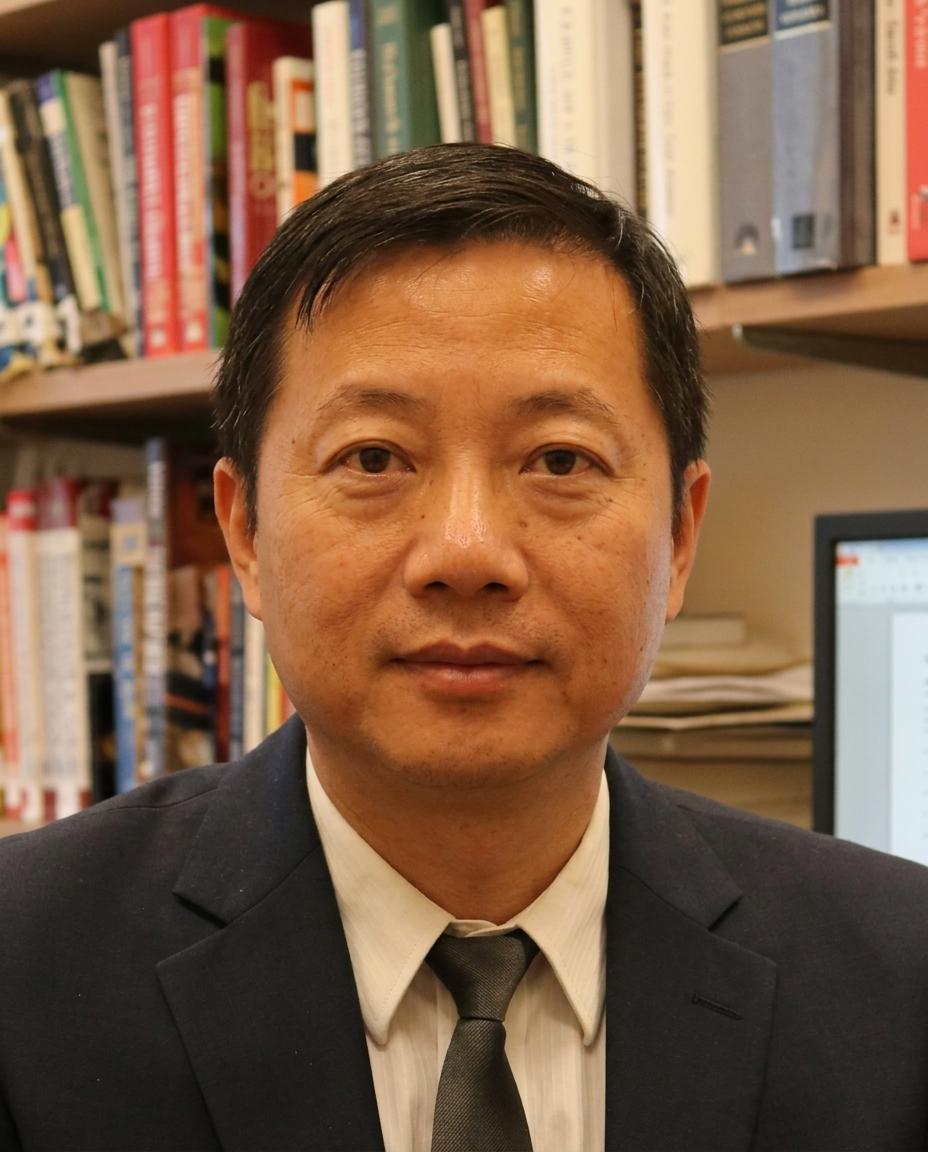
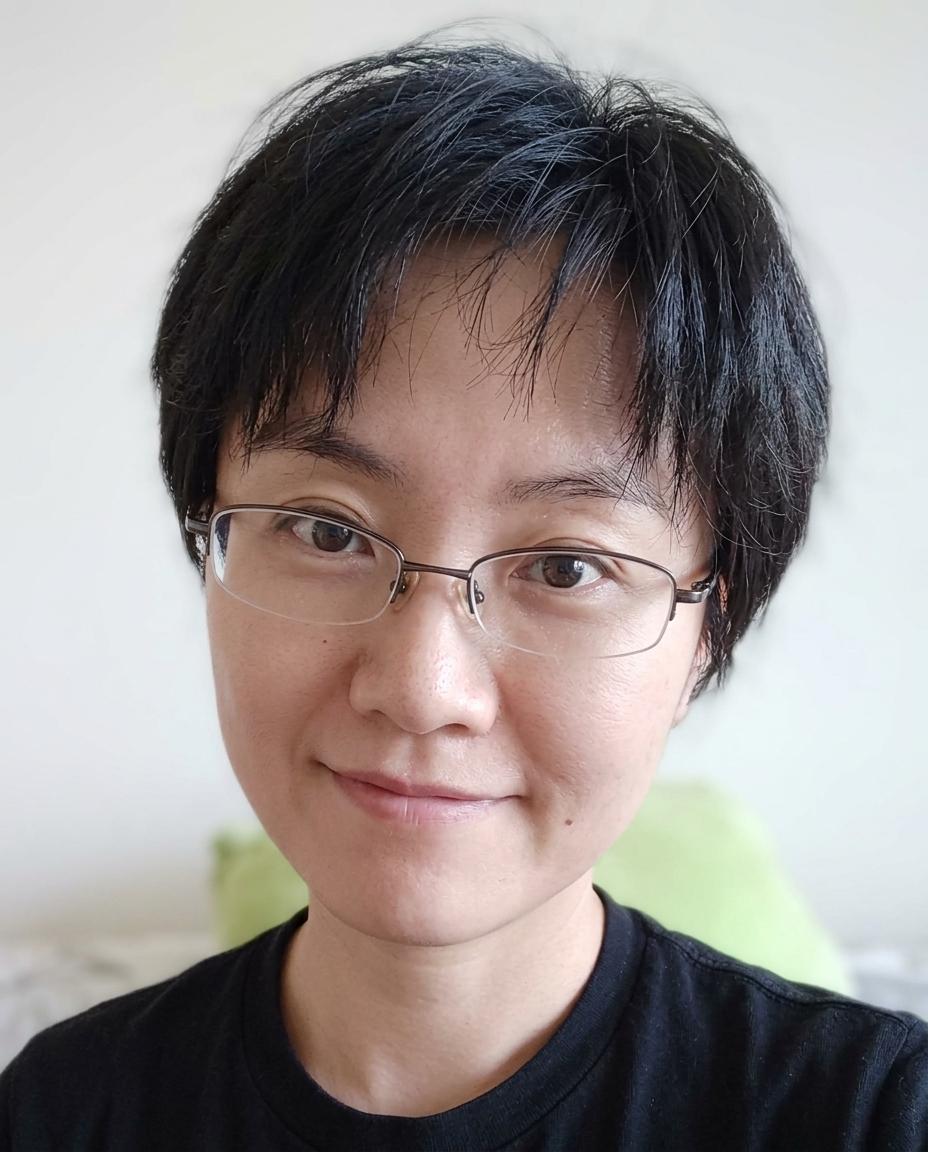
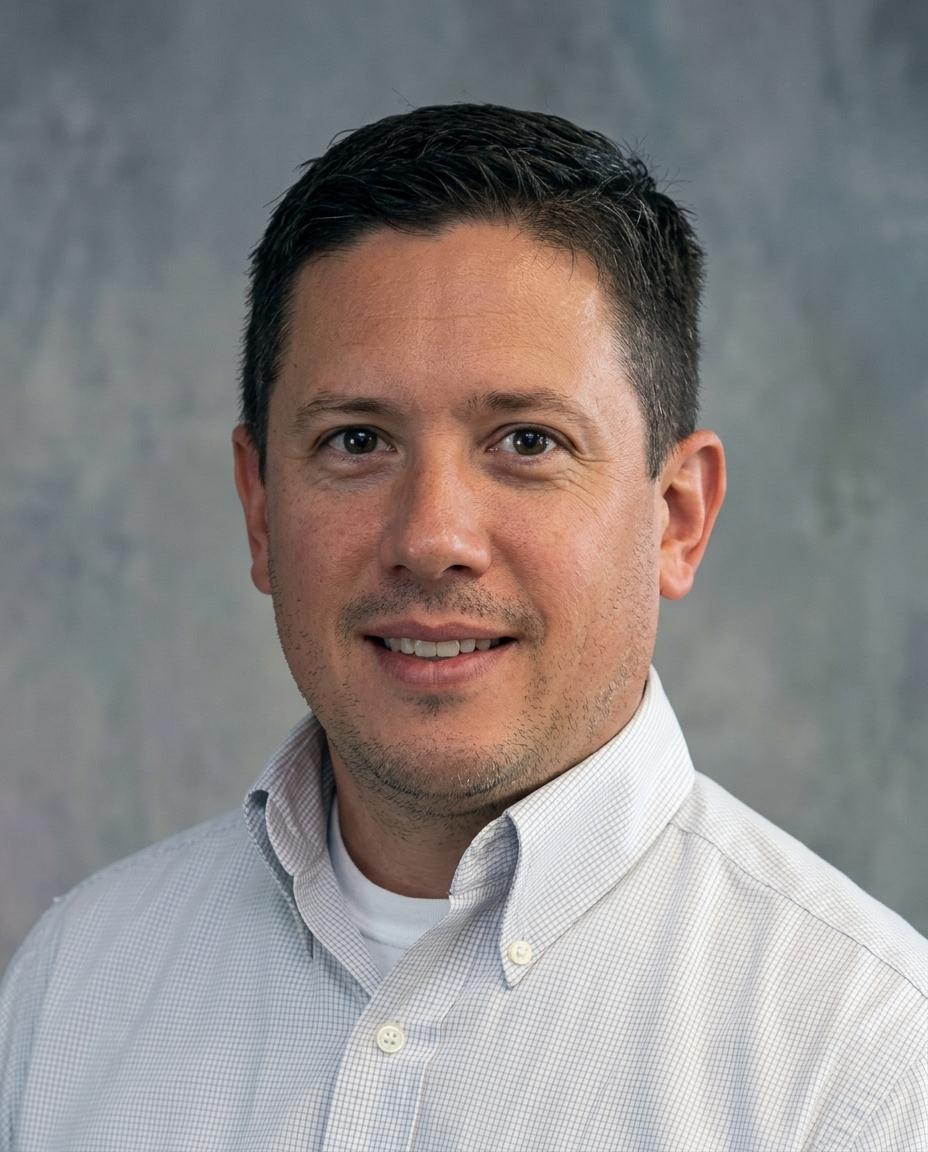
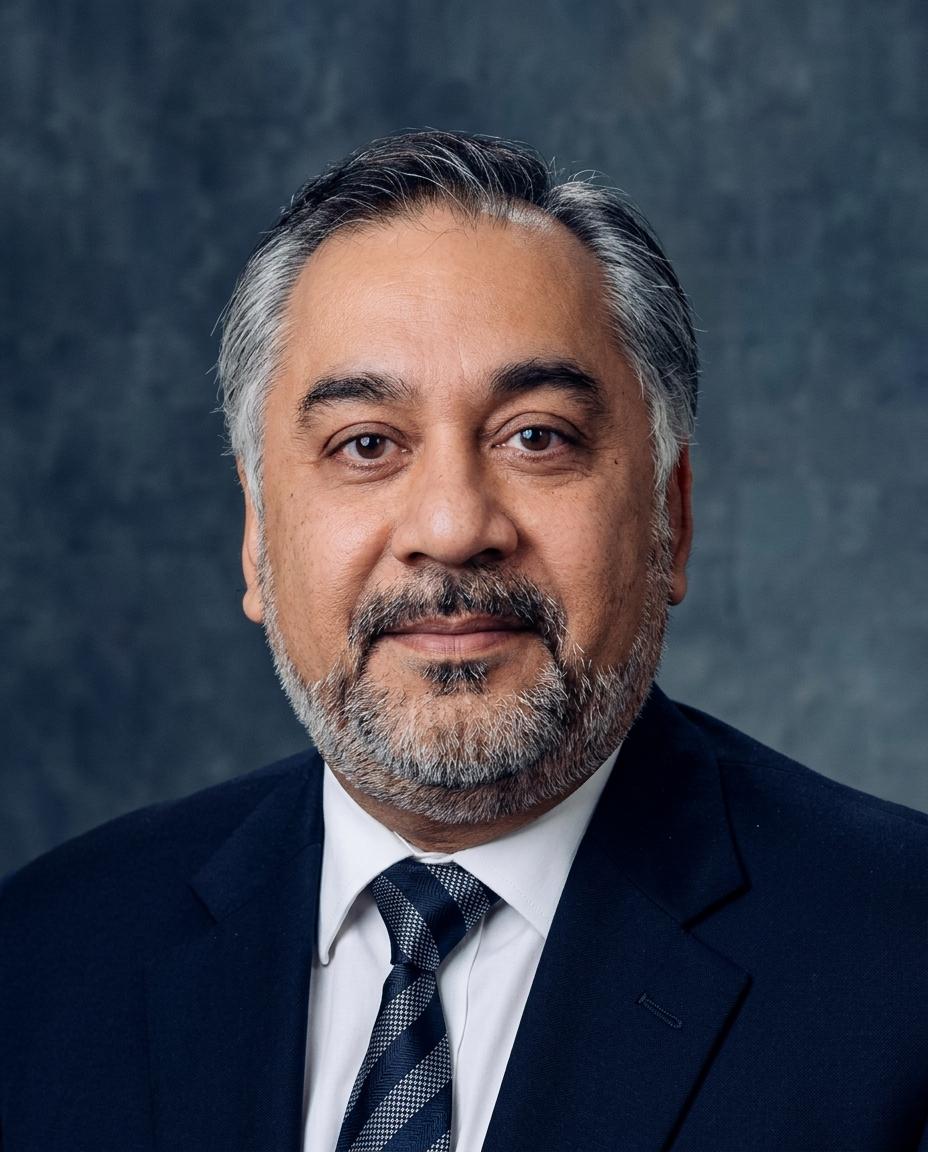
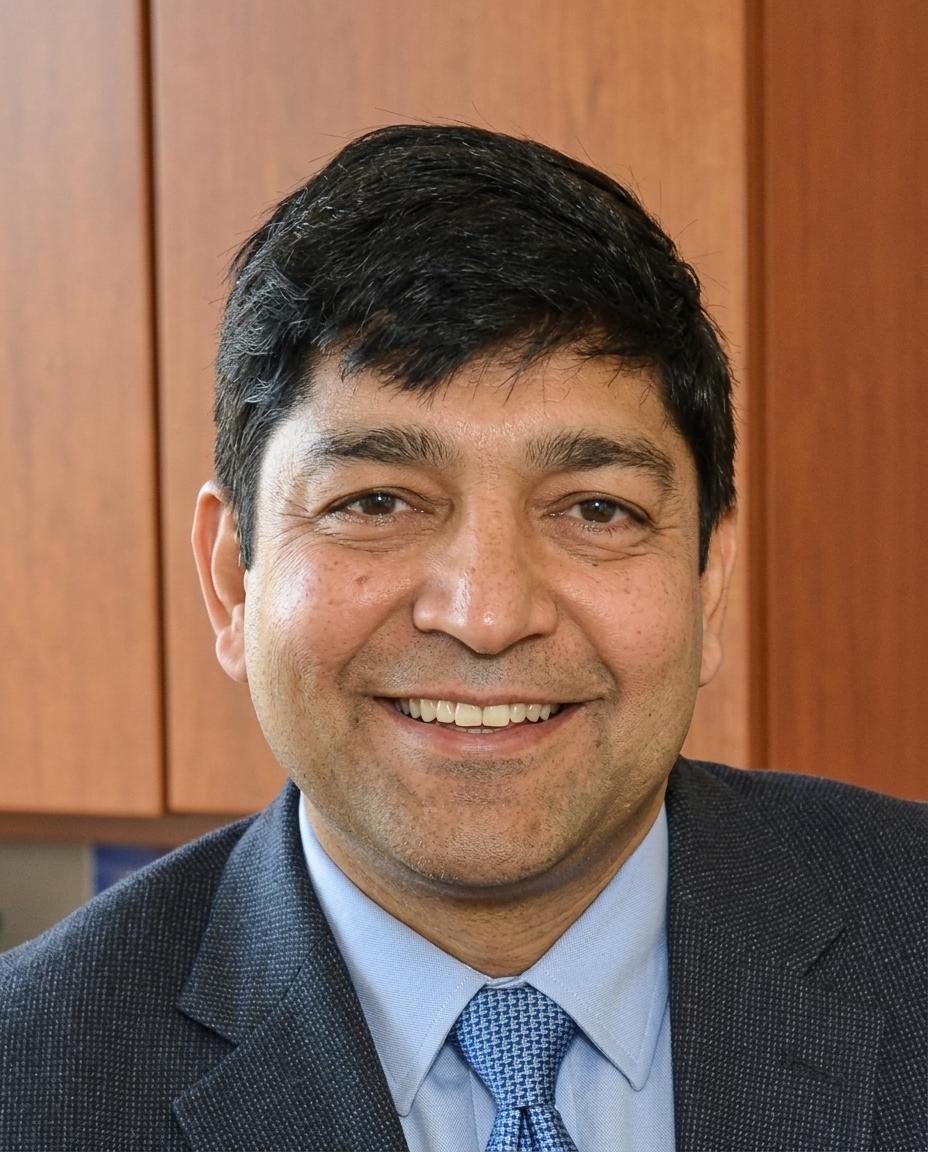
These are the expert instructors who will be teaching you throughout the course. With a wealth of knowledge and real-world experience, they’re here to guide, inspire, and support you every step of the way. Get to know the people who will help you reach your learning goals and make the most of your journey.
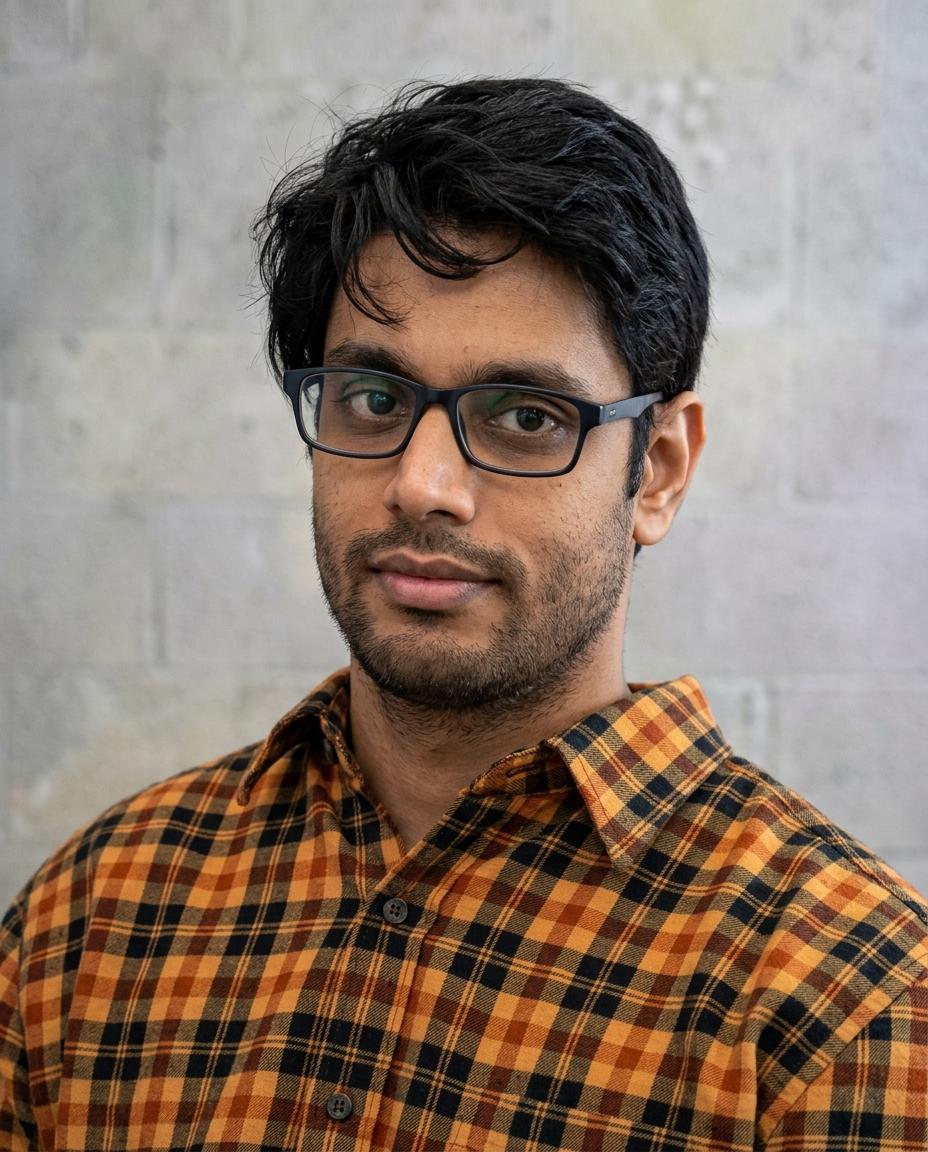
7 Courses
Pioneering Spintronics and Quantum Physics Researcher
Pramey Upadhyaya is a distinguished Associate Professor of Electrical and Computer Engineering at Purdue University, whose academic journey includes a B.Tech from IIT Kharagpur (2009), followed by MS (2011) and Ph.D. (2015) degrees from UCLA, where he worked as a resident theorist in Prof. Kang Wang's Device Research Laboratory. Following his doctoral studies, he completed a postdoctoral fellowship at UCLA's Physics and Astronomy Department under Prof. Yaroslav Tserkovnyak. His groundbreaking research in quantum physics and spintronics has led to pioneering demonstrations of current-induced room-temperature skyrmion manipulations, spin torque switching using topological surface states, and NV-center probing of spin-caloritronics. His work has resulted in over 30 publications in prestigious journals including Science, Physical Review Letters, and Nature Nanotechnology, achieving an H-index of 24. His exceptional contributions to the field have been recognized with several prestigious awards, including an NSF Career Award (2020), Qualcomm Innovation Fellowship (2013), and Intel Summer Fellowship (2011), while his current research at Purdue focuses on advancing quantum phenomena and material science for next-generation computing applications.

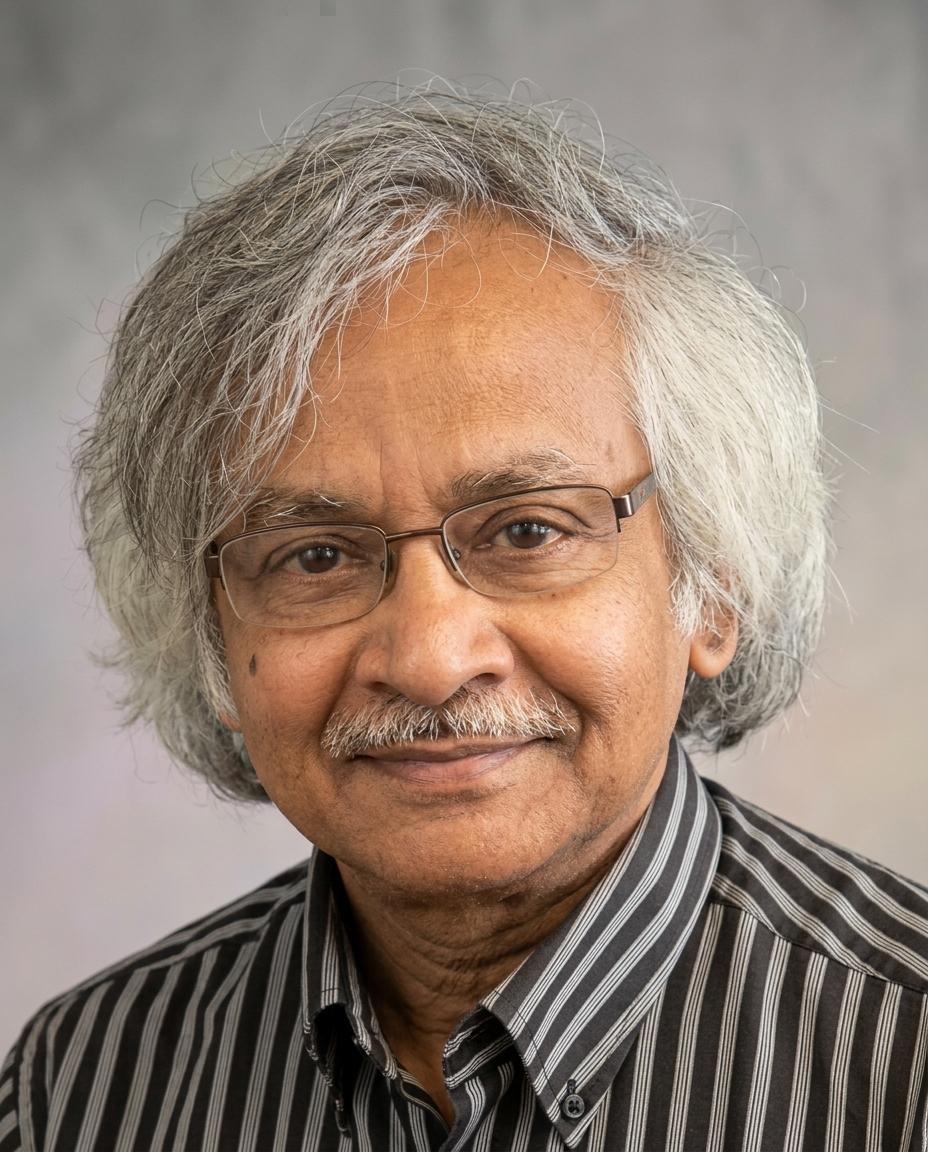
8 Courses
Pioneering Nanoscale Electronics Innovator
Supriyo Datta is the Thomas Duncan Distinguished Professor of Electrical and Computer Engineering at Purdue University, whose groundbreaking contributions have transformed the field of nanoelectronics. Initially starting his career in ultrasonics, he shifted his focus to nanoscale electronic devices in 1985, where he developed revolutionary approaches to quantum transport. His pioneering work combines the non-equilibrium Green function (NEGF) formalism with the Landauer formalism, which has become a cornerstone in nanoelectronics research. His influential books, including "Electronic Transport in Mesoscopic Systems" (1995), "Quantum Transport: Atom to Transistor" (2005), and "Lessons from Nanoelectronics" (2012), have shaped the field's theoretical foundation. His innovative theoretical proposals have sparked new research areas in molecular thermoelectricity, negative capacitance devices, and spintronics, leading to his election to the National Academy of Engineering (NAE)